
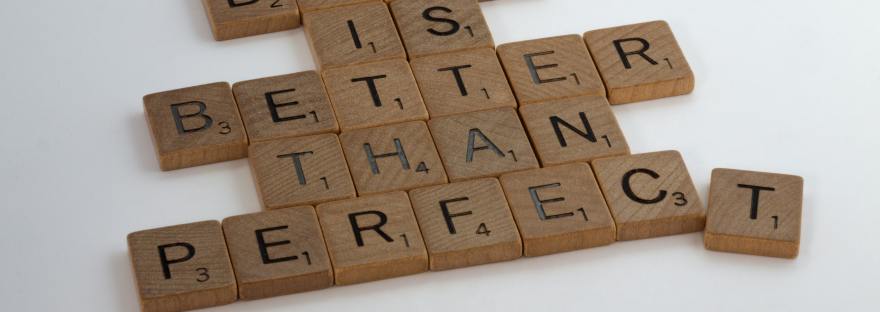
It’s not what you are that holds you back, it’s what you think you are not.”
Denis Waitley
Imposter syndrome struck hard during the last few months. I had trouble believing that my writing had a purpose once I felt emotionally whole. My writing always carried such a tragic tone. Yet, there was a touch of hope that flowed throughout each piece I had written.
On the one hand, I thought it was (and still believe) a great outlet to let out my emotions when I had trouble expressing myself. But, on the other hand, when I view my writing now, I see a girl I don’t recognize in the mirror.
I was full of despair and hopelessness, and I thought that became my identity.
I was shocked that I had such emotion before I got help for my anxiety and depression. Then, when I tried to write again, I had a difficult time because I didn’t know who I was.
As I study in school, I look back to Erik Erikson’s Psychosocial Development stages we all go through. While I am older than twenty, I find myself stuck in the “Identity vs. Role Confusion” stage.
Erik Erikson’s Psychosocial Stages of Development occurred from birth until death for those who aren’t psychology crazed like I am. Specifically, I am referring to the “Identity vs. Role Confusion stage from ages twelve-twenty” (Broderick & Blewitt, 2020).
Specifically, the stage talks about positive and negative outcomes that come out of the phase and the significant events experienced during this stage.
The adolescent must move toward adulthood by making choices about values, vocational goals, etc.
(Broderick & Blewitt, 2020).
There is no timeline when you leave the Identity vs. Role Confusion stage. As I move through my twenties, I think about who I am every day and am proud of who I have become. However, it is a battle when I have to put out fires that disregard my values and beliefs.
The main point of this blog is this. You may find yourself in moments where you question who you are and if you are good enough to continue your craft. I’m here to tell you that it’s okay! There will be moments where you have to test yourself. Meaning there will be times that will define who you are and what you believe in.
You constantly change everyday. So, who will you be?
References
Broderick, P. C., & Blewitt, P. (2020). The life span: Human development for helping professionals (5th ed.). Hoboken, NJ: Pearson Education.
Featured Image: Photo by Chris Yang on Unsplash


 UnaPOETgetically Me